
What It Actually Costs to Live in Minnesota
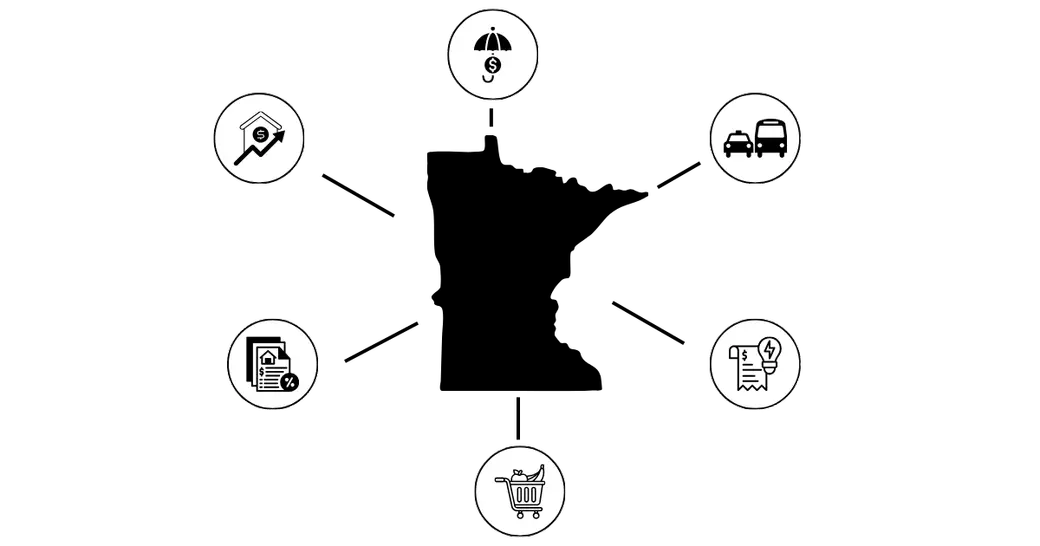
Cost of living is usually one of the first things people want to nail down before committing to a move. Here's the honest, detailed answer for Minneapolis and St. Paul.
Is Minnesota Affordable?
The Twin Cities land in a spot that's getting harder to find in major markets: a genuine metro lifestyle without the price tag that usually comes with it. But what does that actually break down to month to month? Here's the full picture.
Housing Costs
Home prices
The median home price across the Twin Cities runs roughly $350,000 to $400,000. Entry-level homes can start well below that depending on the neighborhood, while higher-end areas and suburbs trend upward from there.
Rent prices
A studio typically runs $1,000 to $1,400 a month. A one-bedroom lands around $1,200 to $1,800. A two-bedroom generally falls between $1,800 and $2,500.
Monthly Cost Breakdown
Utilities
Utility costs here are real, especially in winter, but most people find them manageable once they know what to plan for.
Gas and electric combined typically run $120 to $225 a month, lower in summer, higher in January and February. Internet generally costs $50 to $80 a month. Water, sewer, and trash usually land between $50 and $90 depending on the city and usage.
Winter heating is the main variable to plan around. Older insulation or larger square footage can push gas bills higher during the coldest stretches, but most homes here are built with Minnesota winters in mind, so the infrastructure is already accounted for. A typical household should expect roughly $200 to $280 a month all-in on utilities across the year.
Groceries
Grocery costs in the Twin Cities are generally in line with the national average, which tends to surprise people coming from coastal markets where even a basic grocery run feels expensive.
A single person typically spends $300 to $450 a month. A couple runs $500 to $700. A family of four generally lands between $800 and $1,100.
Major grocery chains like Hy-Vee, Cub Foods, Kowalski's, and Lunds & Byerlys cover most of the metro, and Trader Joe's, Whole Foods, and Costco are well distributed across the suburbs and inner ring. Farmers markets run from May through October across dozens of neighborhoods and are genuinely popular here.
Transportation
The Twin Cities is largely a car-dependent metro, but public transit is a real, reasonably priced option in a lot of corridors.
For car owners, gas prices typically run close to or slightly below the national average. Car insurance generally averages $100 to $160 a month depending on driving record and coverage. Winter maintenance, tires and occasional repairs, is worth budgeting for if you're coming from a warmer climate.
Metro Transit runs light rail, the Green and Blue lines, along with an extensive bus network. A monthly transit pass runs around $95 to $115, and the light rail connects downtown Minneapolis to the airport, Mall of America, and St. Paul fairly directly. For commuters working downtown in particular, transit is a legitimate daily option, not just a backup.
All in, a single-car household should expect roughly $200 to $400 a month on transportation, depending on commute distance and driving habits.
Overall Monthly Estimate
For a single person, total monthly costs typically land around $2,200 to $3,500 all-in. For a household, that range runs roughly $3,500 to $6,000 or more, depending on lifestyle.
How that compares to other cities
Coming from California or the West Coast generally, the Twin Cities are significantly more affordable. Coming from Denver or Austin, they're generally more affordable as well. Coming from Chicago, costs are fairly similar, often just slightly lower here.
The short version: you get a major metro with a strong job market, solid infrastructure, and real city amenities, without the sticker shock that comes with comparable cities on the coasts.
The Hidden Costs, and Where Minnesota Wins
Every market has costs that don't show up in the headline numbers. Here's the honest breakdown.
In a lot of markets, insurance costs are climbing fast, property taxes vary wildly by area, and overall cost volatility runs high year to year.
In Minnesota, the housing market tends to be more stable, long-term costs are more predictable, and the infrastructure and services here generally justify what you pay in taxes. Minnesota does have a state income tax, but the overall financial picture still holds up well compared to most other major metros.
Thinking About Making the Move?
The Twin Cities offer a lot of opportunity at a cost that's genuinely manageable. If you're starting to think seriously about making a move, the best place to start is with a clear plan built around your actual budget. Reach out and let's map it out together.
Categories
Recent Posts



THINKING ABOUT MOVING TO MINNESOTA?
Get our free guide covering cost of living, neighborhoods, and everything else you need to know before making the move.